







Cryonick Solutions for PhysiotherapyClinics
Physiotherapy practices are increasingly expected to deliver faster, more consistent recovery outcomes while managing packed treatment schedules and rising patient expectations. Cryonick equipment addresses these pressures directly, giving clinics reliable tools to support pain management, reduce inflammation, improve circulation and shorten the time between sessions.
Rather than offering a single device, Cryonick builds complete equipment solutions that combine cryotherapy, lymphatic drainage, PEMF, infrared and recovery technology into one coherent treatment offering. This approach lets practices introduce modern recovery services without disrupting existing workflows or overburdening therapists with additional manual work. Every recommendation on this page is selected specifically for physiotherapy use, based on how the equipment performs in daily clinical settings rather than as a general wellness product.
The result for clinics is a differentiated, professional treatment environment that supports better patient experiences, frees up therapist time for hands-on care and opens the door to additional recovery-focused services. Consultation, installation, staff training and long-term technical support are included as standard, so the equipment is ready to use from day one and remains reliable for years afterward.
Challenges Physiotherapy Clinics Face Today
Modern physiotherapy clinics operate in a very different environment from a decade ago. Patients now research treatment options before booking, compare clinics based on the technology they offer, and expect visible, measurable progress rather than open-ended treatment plans. At the same time, therapists are under pressure to see more patients without compromising the quality of individual sessions, which leaves little room for time-intensive manual techniques such as extended lymphatic drainage or prolonged localized cold application.
Traditional treatment alone often struggles to keep pace with these expectations, particularly for patients dealing with chronic inflammation, post-surgical recovery or recurring soft-tissue injuries. Equipment-based modalities help close this gap by delivering consistent, repeatable results that do not depend entirely on staff availability or session length.
They also give clinics a way to differentiate themselves in a market where many practices offer very similar core services. The challenges below are the ones we hear most often from physiotherapy clinics evaluating new equipment, and they directly shape which Cryonick categories and products we recommend for this type of business.
Slow, Plateauing Recovery Times
Patients expect faster, measurable progress. Cold and infrared therapies can accelerate recovery between sessions without adding staff time.
Limited Pain Management Options
Beyond manual therapy, clinics need reliable, non-invasive modalities that reduce inflammation and pain without relying on medication.
Treatment Sessions Take Too Long
Manual lymphatic drainage and manual mobility work are time-intensive. Automated systems free up therapist time for higher-value care.
Standing Out From Other Clinics
Patients increasingly choose clinics that offer modern recovery technology alongside traditional physiotherapy treatment.
Recommended Equipment Categories
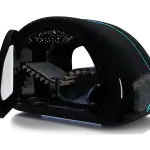
No single device covers every situation a physiotherapy clinic encounters throughout a treatment day, which is why we recommend a small, complementary set of equipment categories rather than one standalone modality. Cryotherapy chambers and localized cryotherapy work together to address both systemic inflammation and specific injury sites, giving therapists flexibility depending on the patient and the stage of treatment.
Lymphatic massage equipment reduces the manual workload associated with drainage techniques, freeing therapists to focus on assessment and hands-on rehabilitation work rather than repetitive routine tasks. PEMF and red light therapy add a non-invasive, drug-free option for pain management and tissue support that patients can use as a passive complement to active treatment.
Infrared equipment extends this further into low-impact mobility and circulation work, which is particularly useful for patients who are not yet ready for higher-intensity exercise. Finally, recovery equipment such as zero-gravity massage systems gives clinics a way to offer restorative downtime that fits naturally between or after more intensive sessions. Together, these categories form a layered approach to recovery, covering inflammation control, circulation, mobility, pain relief and relaxation, so a clinic can build a treatment pathway that matches each patient’s specific needs.
Cryotherapy Chambers
Whole-body cold exposure to reduce systemic inflammation and support faster recovery from injury and overuse.
View CategoryLocalized Cryotherapy
Targeted cold treatment for joints, muscles and specific injury sites during focused physiotherapy sessions.
View CategoryLymphatic Massage
Automated roller-based lymphatic drainage to reduce swelling, improve circulation and support tissue recovery.
View CategoryPEMF & Red Light Therapy
Electromagnetic and light-based technology supporting cellular recovery, pain relief and tissue regeneration.
View CategoryInfrared Equipment
Low-impact infrared training and heat therapy to support mobility, circulation and joint-friendly rehabilitation.
View CategoryRecovery Equipment
Zero-gravity massage and relaxation systems that complement active treatment with passive recovery time.
View CategoryRecommended Products for Physiotherapy Clinics
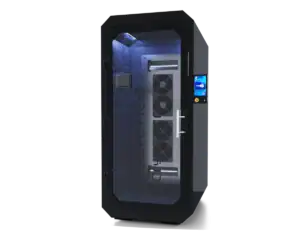
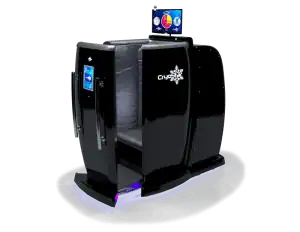
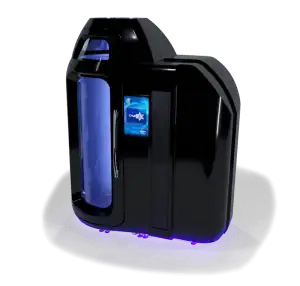
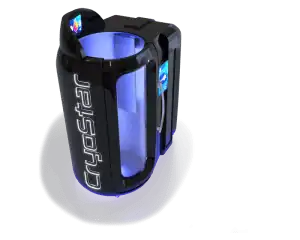
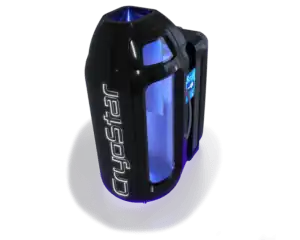
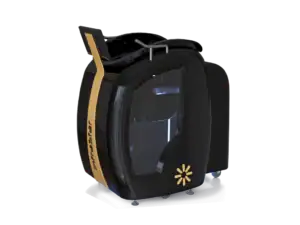
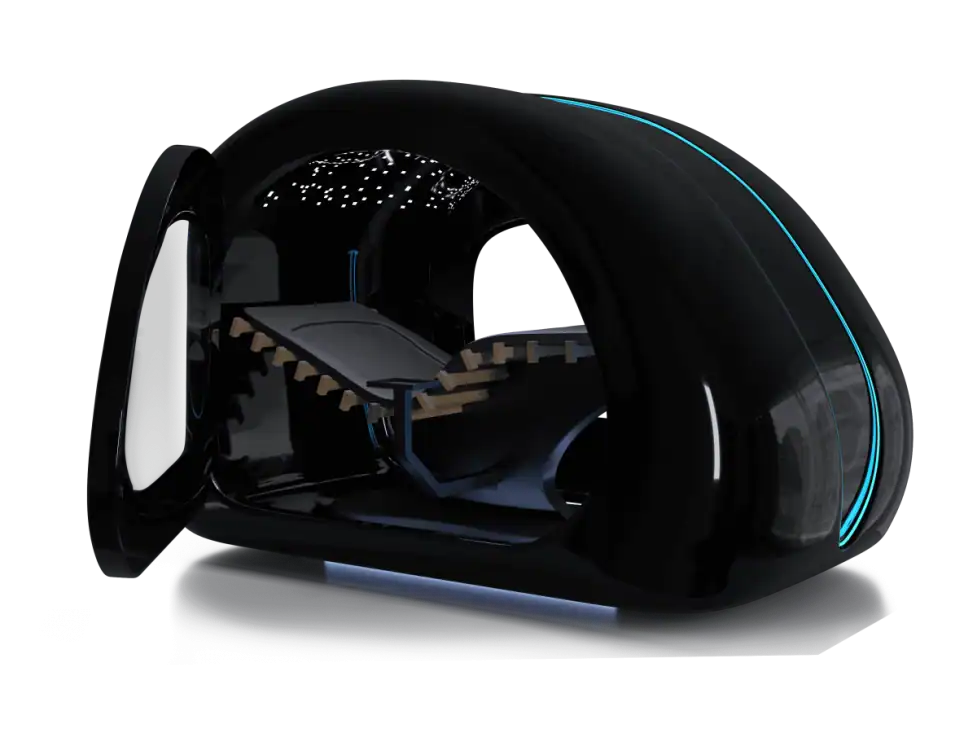
The models below were chosen because they perform well under the conditions physiotherapy clinics actually operate in: daily use, multiple patients per day, and staff who need equipment that is straightforward to run between appointments. The Antarctica Barrel offers electric whole-body cryotherapy without the logistics of managing liquid nitrogen, which matters for clinics that cannot dedicate space or staff time to consumable handling.
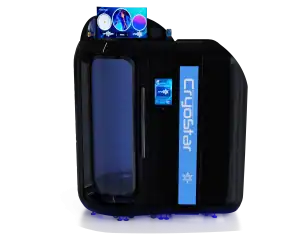
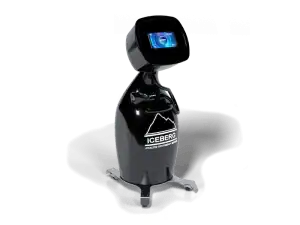
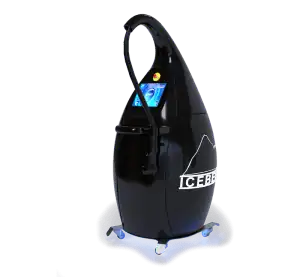
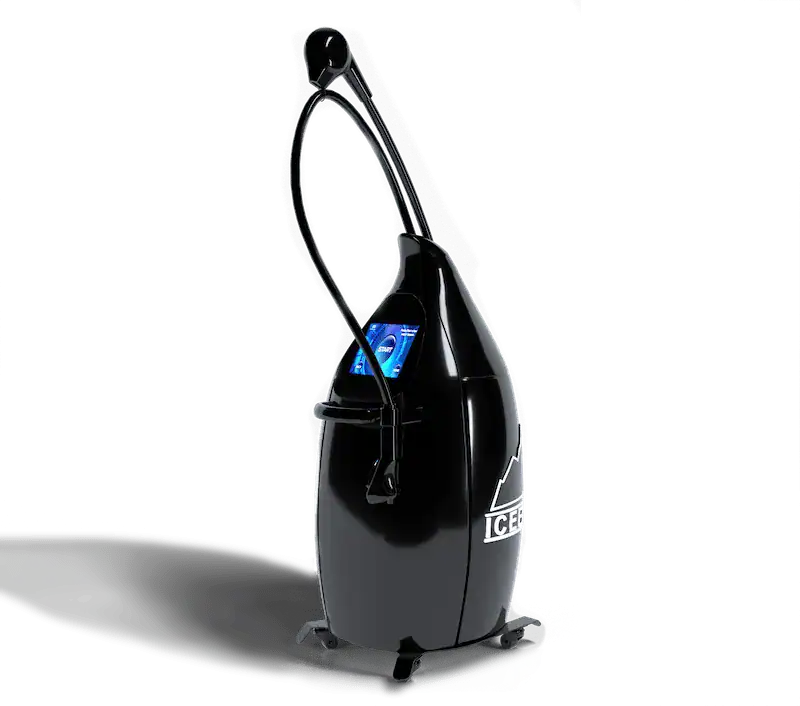
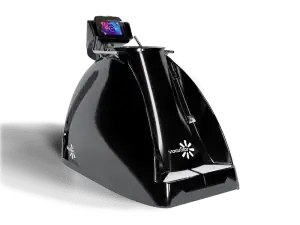
The Iceberg25L covers the many cases where whole-body exposure is not appropriate or necessary, allowing therapists to apply cold treatment directly to a joint or injury site during a session. The RollStar Rollshaper takes on the repetitive, time-consuming work of lymphatic drainage, so therapists are not spending large portions of a session performing manual massage that a machine can do consistently.
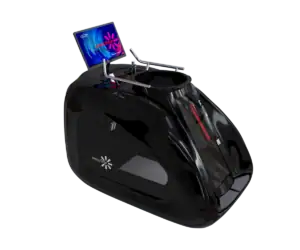
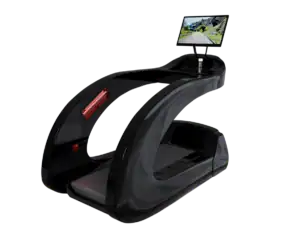
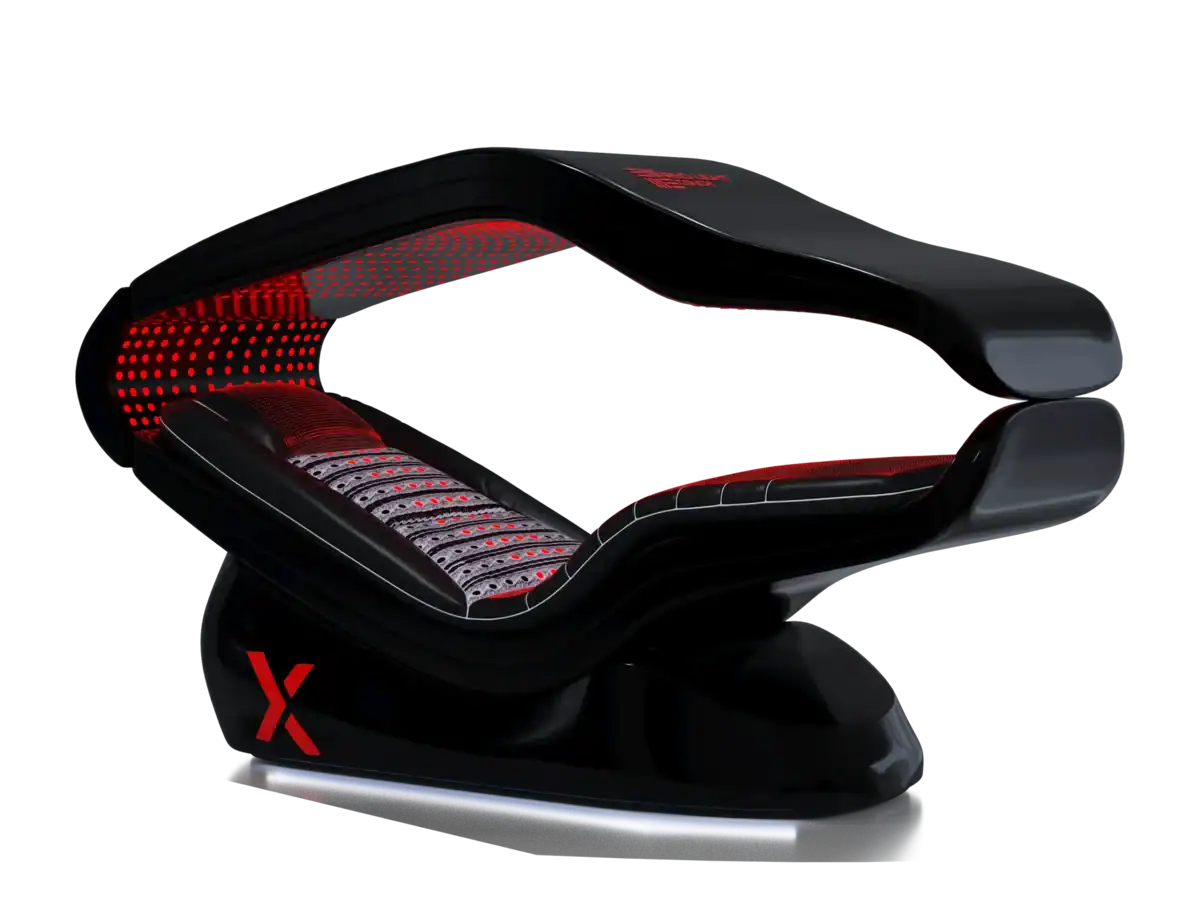
The RedLight Couch PEMF HALOX combines two complementary modalities in a single piece of equipment, which is useful for clinics with limited treatment room space. The InfraStepper supports low-impact mobility work for patients who are not ready for higher-intensity movement, while the De-Stress Lounge gives patients a passive recovery option that rounds out an active treatment plan.
These products are not intended to be purchased all at once. Most clinics start with one or two categories that match their current patient base and expand as demand grows, and our team can help sequence that expansion based on your treatment focus and budget.
 Cryotherapy Chambers
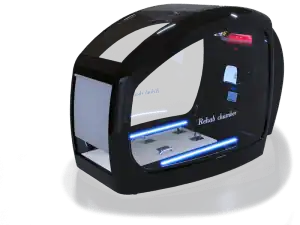
Antarctica Barrel
Electric whole-body cryotherapy chamber for reducing systemic inflammation and accelerating patient recovery between sessions.
 Localized Cryotherapy
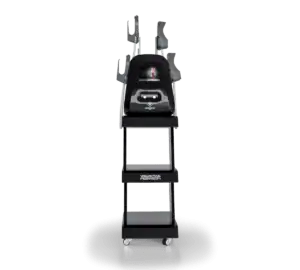
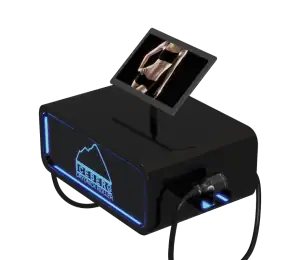
Iceberg25L local CRYO
Targeted localized cryotherapy device for treating specific joints and injury sites during focused physiotherapy sessions.
 Lymphatic Massage
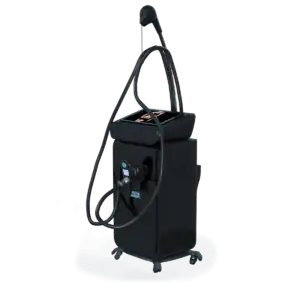
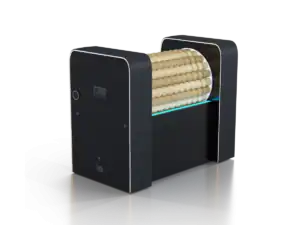
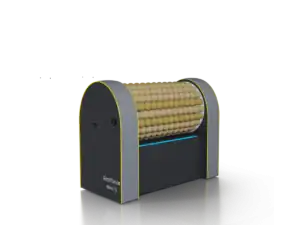
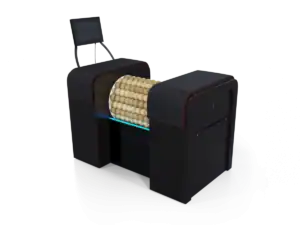
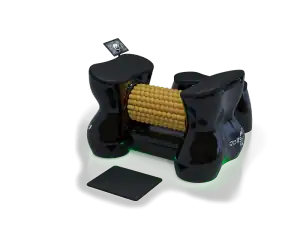
RollStar Rollshaper
Automated lymphatic drainage roller that reduces swelling and supports circulation without extending therapist session time.
 PEMF & Red Light
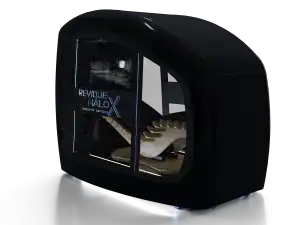
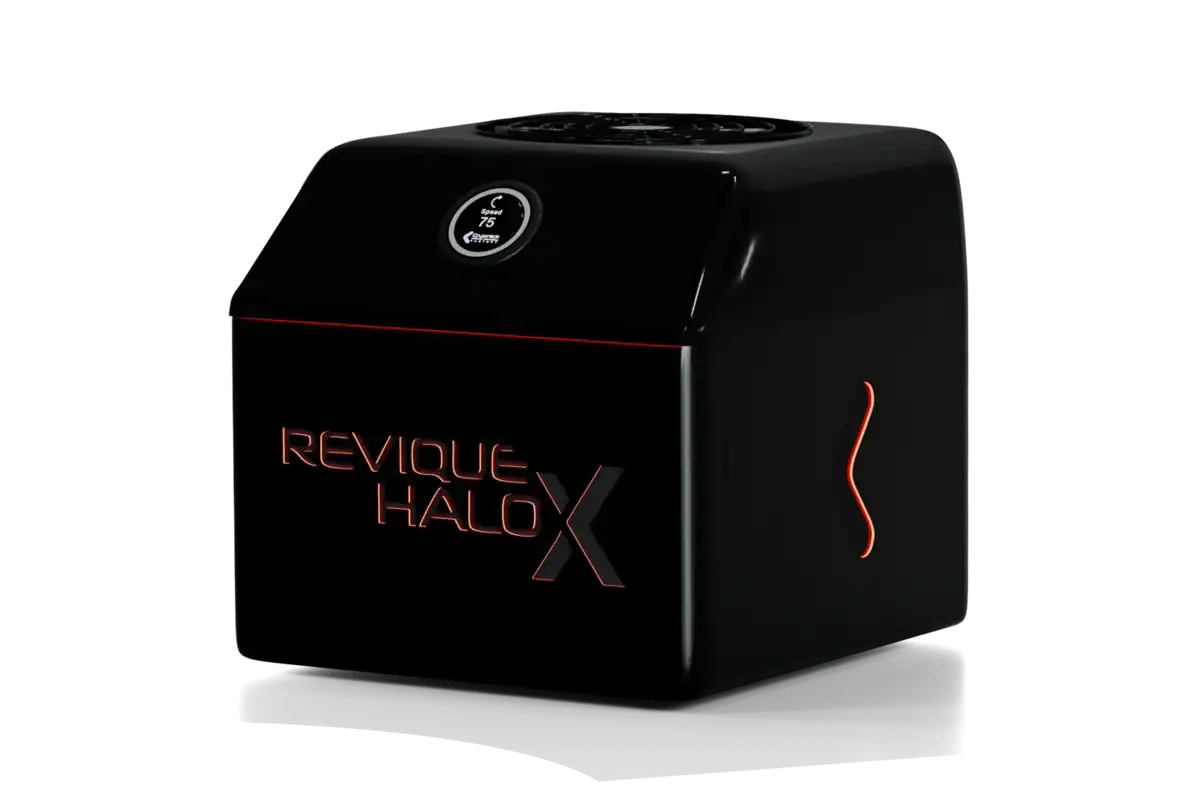
RedLight Couch PEMF HALOX
Combined PEMF and red light therapy couch supporting cellular recovery, inflammation control and drug-free pain management.
 Infrared Equipment
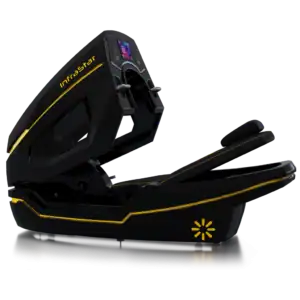
InfraStepper
Joint-friendly infrared climber that supports guided mobility exercises and circulation during rehabilitation programs.
 Recovery Equipment
De-Stress Lounge
Zero-gravity massage lounge offering passive recovery time that complements active physiotherapy treatment plans.
Why This Equipment Fits Physiotherapy Clinics
Physiotherapy is a hands-on discipline, and any equipment introduced into a clinic has to support that model rather than compete with it. Everything recommended on this page was selected with that constraint in mind: nothing here is designed to replace manual assessment or treatment, only to extend what a therapist can offer within the same appointment slots.
Non-invasive modalities such as cold therapy, PEMF and red light give clinics drug-free options for pain and inflammation management, which matters for patients who prefer to avoid medication or who are already managing multiple prescriptions. Automated lymphatic drainage and infrared equipment reduce the physical workload on therapists, particularly relevant in clinics with high patient volume where manual techniques alone are difficult to sustain across a full day of appointments.
Because the equipment is built for professional, continuous use rather than occasional wellness sessions, clinics can rely on consistent output day after day without the performance drop-off sometimes seen with lower-grade consumer devices. Beyond the clinical benefits, this equipment also opens a practical business opportunity: recovery and wellness sessions can be offered as standalone bookable services, giving the clinic an additional revenue stream that does not depend on insurance billing or physician referrals. Taken together, these factors are why this particular combination of categories and products consistently performs well for physiotherapy practices specifically.
Non-Invasive Pain Management
Cold, PEMF and red light therapies provide drug-free options that complement manual physiotherapy techniques.
Faster, Measurable Recovery
Cryotherapy and lymphatic drainage reduce inflammation and swelling, supporting more predictable treatment timelines.
Professional-Grade Reliability
Equipment built for continuous daily clinical use, with consistent, repeatable results session after session.
New Revenue Opportunities
Add recovery and wellness sessions as standalone or bundled services alongside standard physiotherapy treatment.
Time-Efficient for Staff
Automated lymphatic drainage and infrared systems free therapists to focus on hands-on manual treatment.
Competitive Differentiation
Offer modern recovery technology that positions your clinic ahead of practices using manual therapy alone.
A Complete Project, Not Just Equipment
Buying equipment is only one part of introducing new services into a physiotherapy clinic, and clinics that try to manage the surrounding logistics alone often lose time and momentum before the equipment is even in use. Cryonick manages the full project from the first conversation onward, starting with a consultation where we review your patient base, available space and treatment goals to recommend a realistic equipment combination rather than an oversized package.
Once equipment is selected, our team coordinates delivery across Germany and Europe so it arrives on a schedule that fits your clinic’s operations. Installation and commissioning are handled by trained technicians who assemble, connect and functionally test each unit on site, so nothing is left for clinic staff to figure out on their own.
Because equipment is only useful if staff know how to use it safely and effectively, every project includes hands-on training covering operation, settings, contraindications and everyday maintenance. After installation, clinics have ongoing access to technical support, maintenance guidance and spare parts assistance to keep equipment running reliably for years. This full-lifecycle approach gives clinics a clear, predictable process from consultation through to long-term support.
Consultation & Training
Personal project consultation and staff training on the safe, effective use of your equipment.
Step 2Equipment Selection
We help match the right combination of categories and models to your clinic’s space and patient needs.
Step 3Europe-Wide Delivery
Safe, coordinated delivery of your Cryonick equipment to your clinic location.
Step 4Installation & Commissioning
Professional assembly, connection and functional testing before operational handover.
Step 5Technical Support
Fast assistance with technical questions, operation, settings and fault reports.
Step 6Maintenance & Service
Regular maintenance, diagnostics and repair to keep your equipment running reliably long-term.
Frequently Asked Questions
Common questions from physiotherapy clinics considering Cryonick equipment.
Is cryotherapy suitable for use alongside standard physiotherapy treatment?
Yes. Whole-body and localized cryotherapy are commonly used as complementary modalities to reduce inflammation before or after manual therapy sessions.
Do staff need special certification to operate this equipment?
No formal certification is required. Cryonick provides on-site training as part of every project, covering safe operation, settings and contraindications.
How much space does a cryotherapy chamber require?
Requirements vary by model. During consultation, we review your available space and recommend the most suitable chamber size and configuration.
Can I start with a smaller equipment package and expand later?
Yes. Many clinics begin with one or two categories, such as localized cryotherapy and lymphatic massage, and expand as patient demand grows.
What is the typical delivery and installation timeline?
Timelines depend on the equipment and destination. Your consultation will include a clear delivery and installation schedule for your project.
Is technical support available after installation?
Yes. Cryonick provides ongoing technical support, maintenance guidance and spare parts assistance throughout the life of your equipment.
Can this equipment be offered as a paid add-on service to patients?
Many clinics offer cryotherapy, lymphatic drainage and red light sessions as standalone bookable services, creating an additional revenue stream.
Does Cryonick offer a warranty on physiotherapy equipment?
Yes. All equipment includes manufacturer warranty coverage, with dedicated support for warranty processing when needed.
How is this equipment different from consumer-grade recovery devices?
Cryonick equipment is built for continuous professional use across multiple patients per day, with the durability and consistency clinical settings require.
Can equipment be shared across multiple treatment rooms or therapists?
Yes. Most units are designed to serve multiple patients and therapists throughout the day, and we can help plan placement for efficient shared use.
What ongoing maintenance does this equipment typically require?
Maintenance needs vary by device but generally involve routine checks and occasional servicing, which our maintenance and repair service covers.
Does Cryonick help with equipment layout and room planning?
Yes. Layout and space planning are part of the consultation process, so equipment fits practically into your existing treatment rooms.
Cryotherapy and Recovery Technology in Physiotherapy: What Clinic Owners Should Know
Physiotherapy has always balanced manual technique with supporting tools, from basic heat and cold packs to more advanced electrotherapy devices. What has changed in recent years is the range and sophistication of equipment now available to clinics, and the expectation among patients that a professional practice will offer more than manual treatment alone. For clinic owners evaluating whether to invest in cryotherapy, lymphatic drainage or related recovery technology, the decision usually comes down to three practical questions: does the equipment genuinely support treatment outcomes, does it fit into existing workflows without adding excessive staff burden, and does it make commercial sense for the size and focus of the practice.
Understanding Cold Therapy in a Clinical Context
Cold therapy has a long history in physiotherapy, typically applied through ice packs or localized cold treatment following acute injury or surgery. Whole-body cryotherapy chambers extend this principle to a systemic level, exposing the entire body to controlled cold for a short session rather than targeting a single area.
Localized cryotherapy devices, by contrast, remain focused on specific joints or injury sites, which is often more appropriate during active treatment of a particular condition. Clinics do not need to choose one over the other; many find that having both options available lets therapists match the treatment to the specific stage and location of a patient’s condition.
Why Lymphatic Support Matters for Recovery
Manual lymphatic drainage is a well-established technique in physiotherapy, valued for its role in reducing swelling and supporting circulation, particularly after surgery or in cases involving significant soft-tissue trauma. The technique is also one of the more physically demanding and time-consuming parts of a treatment plan when performed entirely by hand.
Automated lymphatic massage equipment does not replace the clinical judgment involved in assessing a patient’s condition, but it does take on much of the repetitive physical work, allowing therapists to dedicate their hands-on time to assessment and mobilization. For clinics managing a high patient volume, this shift in how time is allocated can be the difference between offering lymphatic support consistently or only when schedules allow it.
The Role of PEMF and Red Light Therapy
Pulsed electromagnetic field therapy and red light therapy are increasingly common additions to physiotherapy treatment plans, valued for being non-invasive and requiring no medication. Patients who are already managing multiple prescriptions, or who simply prefer to avoid additional medication where possible, often appreciate having these options available as part of their care.
From an operational perspective, combined devices that offer both PEMF and red light in a single unit are particularly practical for clinics with limited treatment room space, since they avoid the need for separate equipment and separate appointment slots for each modality.
Infrared Equipment and Low-Impact Mobility Work
Not every patient in a physiotherapy clinic is ready for higher-intensity movement, particularly early in a rehabilitation program or following surgery. Infrared equipment designed for low-impact use gives therapists a way to introduce guided movement and circulation support without placing excessive strain on joints or tissue that is still healing.
This category often serves as a bridge between passive recovery methods and more active rehabilitation exercises, helping patients progress gradually rather than jumping straight from rest to full activity.
Building a Realistic Equipment Plan
Clinics considering an investment in recovery technology are often better served by starting with one or two categories that address their most common patient needs, rather than attempting to introduce every available modality at once. A practice focused heavily on post-surgical rehabilitation might prioritize lymphatic drainage and localized cryotherapy first, while a clinic with a strong sports injury caseload might lean toward whole-body cryotherapy and infrared mobility equipment.
Expanding gradually also gives staff time to become genuinely comfortable with new equipment and gives clinic owners a clearer picture of which services patients actually book and value, before committing to a larger combined investment.
Turning Equipment Into a Sustainable Service
Introducing recovery equipment successfully is not only a clinical decision but also an operational one. Clinics that see the best long-term results tend to treat new equipment as a defined service line, with clear session structures, pricing and staff responsibilities, rather than an occasional add-on used inconsistently.
Offering recovery sessions as standalone bookable appointments, separate from standard physiotherapy treatment, can also create a revenue stream that does not depend on insurance billing or physician referrals, which is particularly useful for clinics looking to diversify income without changing their core clinical focus.
Let’s Plan Your Physiotherapy Clinic Equipment
Tell us about your clinic and treatment goals. Our specialists will recommend the right equipment combination for your space and budget.