







Cryonick Solutions for RehabilitationCenters
Rehabilitation centers work with patients over extended treatment periods, often following surgery, serious injury or long-term illness, where consistent, structured recovery support matters more than any single session. Cryonick supplies rehabilitation centers with cryotherapy, lymphatic drainage, PEMF and infrared technology built to support sustained treatment programs rather than one-off wellness visits.
Rather than a single piece of equipment, Cryonick designs solutions around how rehabilitation programs actually unfold: multi-week treatment plans, patients with varying mobility levels, and staff who need equipment that performs reliably across every stage of a structured recovery journey. Every category recommended here is chosen for how it functions in a sustained, program-based rehabilitation setting.
The result is a rehabilitation center equipped to support better patient outcomes across longer treatment timelines, reduce the physical demands on therapy staff, and offer a more complete recovery program that stands out to referring physicians and patients researching care options. Consultation, delivery, installation, staff training and long-term technical support are included as standard, so equipment remains reliable throughout every patient’s treatment program.
Challenges Rehabilitation Centers Face Today
Rehabilitation centers manage patients through some of the most demanding recovery journeys in healthcare, often coordinating care across multiple weeks or months following surgery, trauma or serious illness. Maintaining consistent progress across an entire treatment program is significantly harder than delivering a single strong session, and gaps in recovery support between visits can slow overall outcomes.
Referring physicians and patients researching rehabilitation options increasingly evaluate centers based on the depth of their treatment infrastructure, not only the credentials of the clinical team. A center relying solely on manual therapy can struggle to compete with facilities offering a broader range of recovery-supporting technology.
At the same time, rehabilitation staff already carry a demanding caseload of manual assessment and treatment work, leaving limited capacity for additional time-intensive techniques such as extended lymphatic drainage across every patient in an active program. The challenges below shape which Cryonick categories and products we recommend specifically for rehabilitation centers.
Sustaining Progress Across Long Programs
Multi-week recovery journeys require consistent support between sessions, not just a single strong treatment.
Competing on Treatment Infrastructure
Referring physicians and patients increasingly compare centers based on available recovery technology.
Staff Capacity Across a Full Caseload
Automated recovery equipment reduces the manual workload of supporting patients throughout active programs.
Supporting Patients With Varying Mobility
Equipment needs to accommodate patients at different stages of recovery, from limited to fuller mobility.
Recommended Equipment Categories
Rehabilitation centers benefit from a set of equipment categories that support patients across an entire recovery timeline, from early-stage inflammation control through to later mobility and circulation work. Cryotherapy chambers and localized cryotherapy work together to manage systemic inflammation and target specific injury sites throughout a structured treatment program.
Lymphatic massage equipment addresses one of the more physically demanding parts of rehabilitation care, reducing swelling and supporting circulation without consuming extensive therapist time across every patient in an active caseload. PEMF and red light therapy add a non-invasive, drug-free option for pain and inflammation management appropriate for patients managing complex recovery needs.
Infrared equipment supports low-impact mobility work for patients not yet ready for higher-intensity movement, an important stage in most structured rehabilitation programs. Recovery equipment such as zero-gravity massage systems rounds out the offering with passive restorative time that complements active treatment. Together, these categories let a center support patients consistently across every stage of a longer recovery journey.
Cryotherapy Chambers
Whole-body cold exposure supporting systemic inflammation control across extended treatment programs.
View CategoryLocalized Cryotherapy
Targeted cold treatment for specific injury sites throughout a patient’s structured recovery timeline.
View CategoryLymphatic Massage
Automated drainage support that reduces swelling without consuming extensive therapist time.
View CategoryPEMF & Red Light Therapy
Non-invasive, drug-free technology supporting pain management across complex recovery needs.
View CategoryInfrared Equipment
Low-impact mobility work for patients not yet ready for higher-intensity movement.
View CategoryRecovery Equipment
Passive restorative systems that complement active treatment throughout a patient’s program.
View CategoryRecommended Products for Rehabilitation Centers
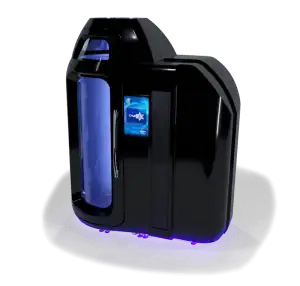
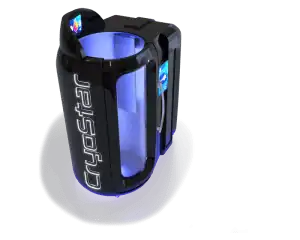
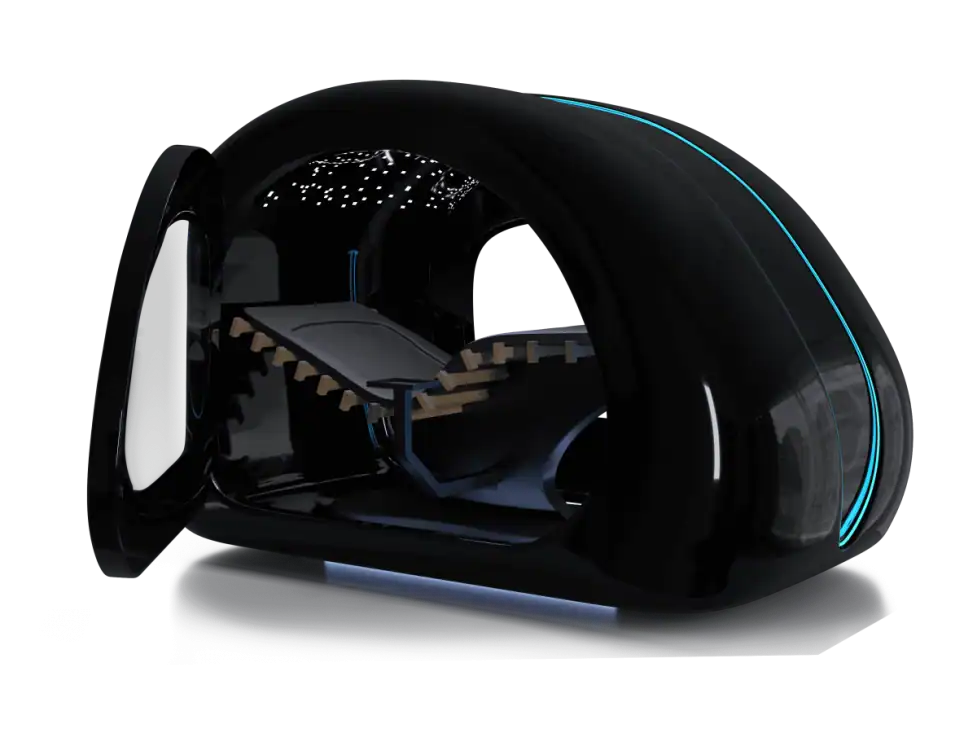
These models were selected for reliability across sustained, program-based use, where equipment often supports the same patients multiple times per week over an extended treatment period. The Antarctica WBC Nitrogen delivers powerful whole-body cryotherapy suited to centers managing patients with significant inflammation or post-surgical recovery needs.
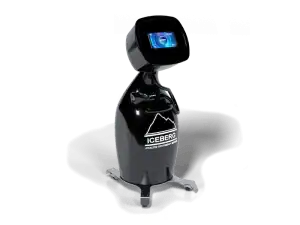
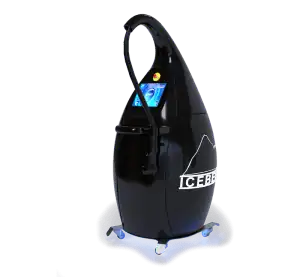
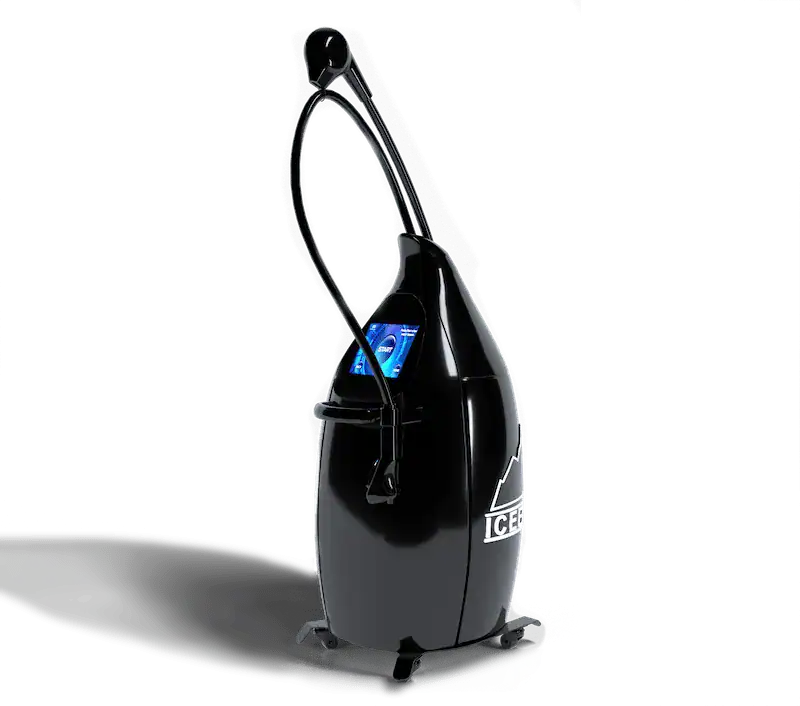
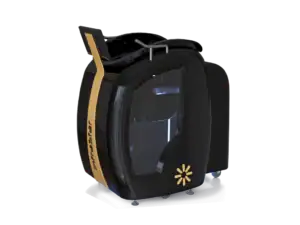
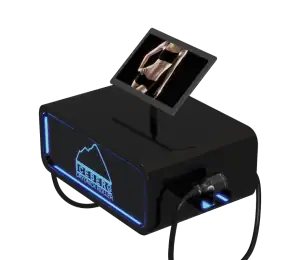
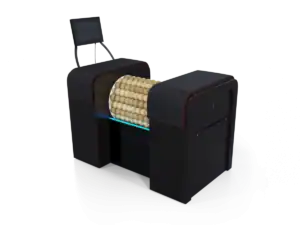
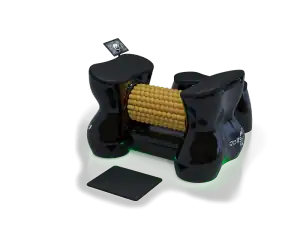
The Iceberg50L handles targeted localized cryotherapy for specific injury sites across a structured treatment plan. RollStar Mini SQ manages lymphatic drainage in a compact footprint suited to treatment rooms handling a steady flow of patients throughout the day.
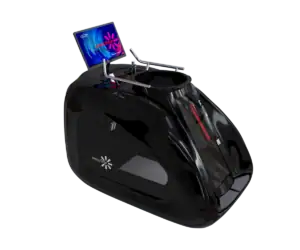
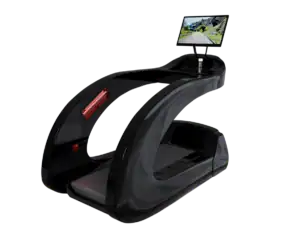
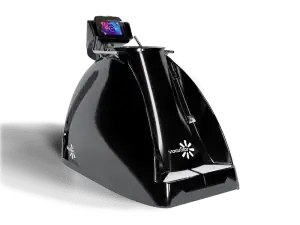
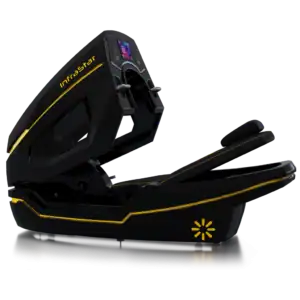
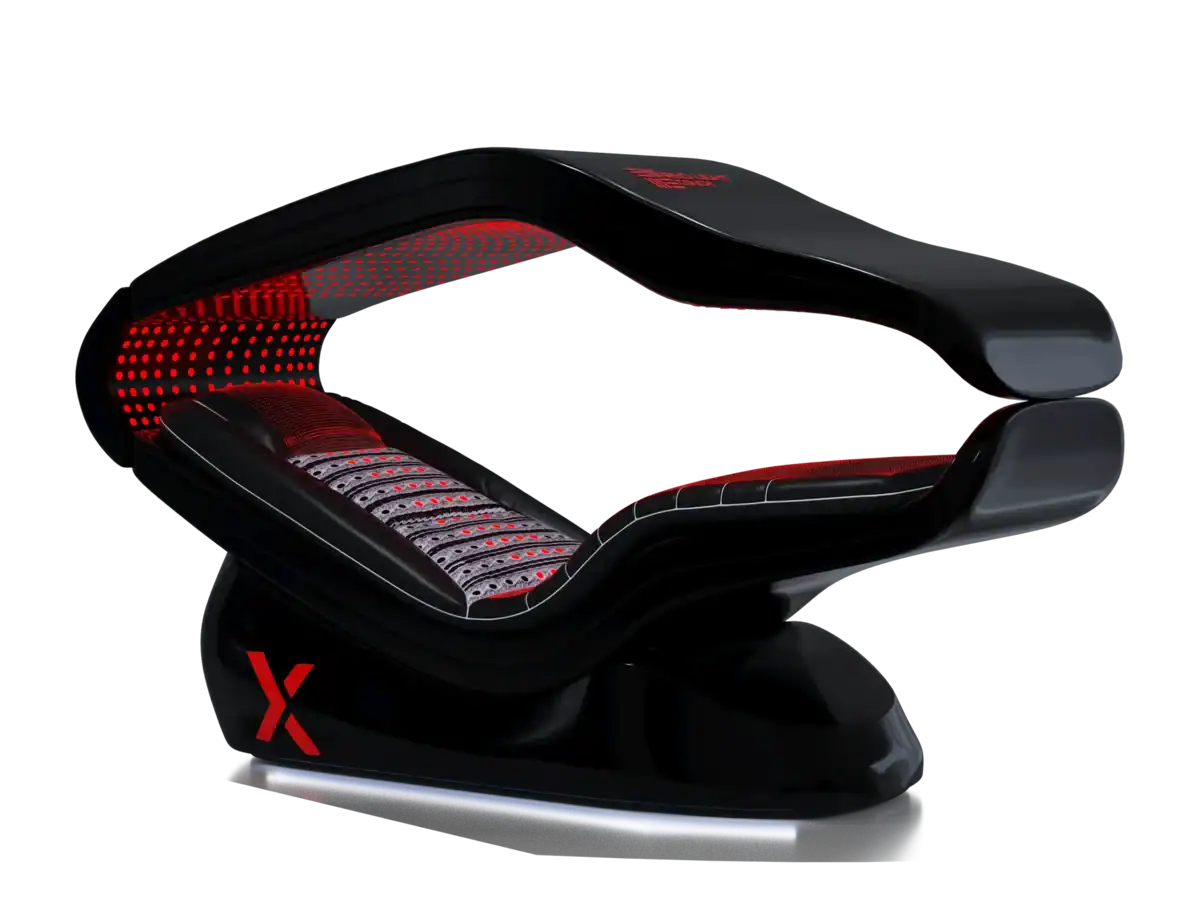
The InfraCouch Red Light gives centers a straightforward, non-invasive treatment option that fits naturally alongside manual therapy sessions. The VacuStar Treadmill supports low-impact infrared mobility work appropriate for patients progressing through later stages of recovery, while the De-Stress Lounge rounds out the offering with passive recovery time between active treatment sessions.
Most centers introduce this equipment gradually, often starting with cryotherapy and lymphatic support before expanding into infrared mobility and passive recovery equipment as program capacity grows.
 Cryotherapy Chambers
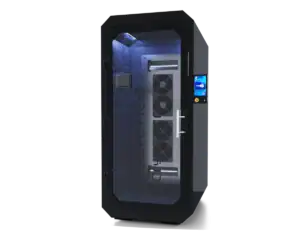
Antarctica WBC Nitrogen
Powerful whole-body cryotherapy suited to patients with significant inflammation or post-surgical needs.
 Localized Cryotherapy
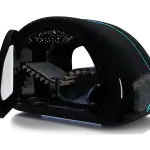
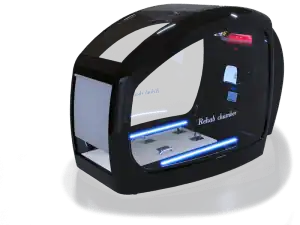
Iceberg50L local CRYO
Targeted localized cryotherapy for specific injury sites across a structured recovery plan.
 Lymphatic Massage
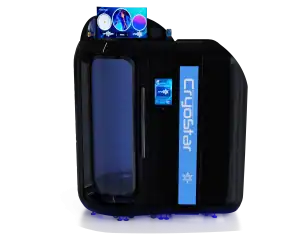
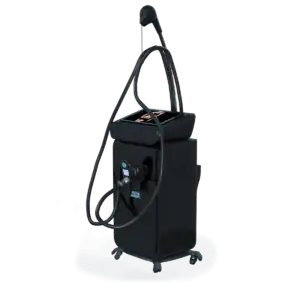
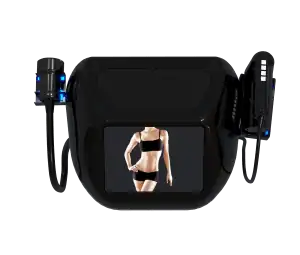
RollStar Mini SQ
Compact lymphatic drainage suited to treatment rooms handling a steady daily patient flow.
 PEMF & Red Light
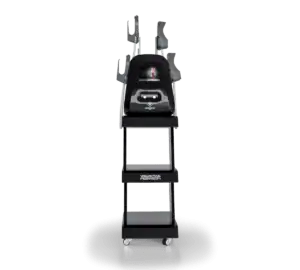
InfraCouch Red Light
A straightforward, non-invasive treatment that fits naturally alongside manual therapy sessions.
 Infrared Equipment
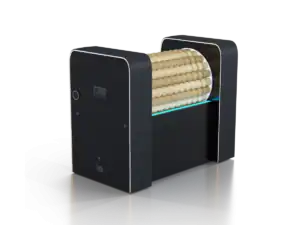
VacuStar Treadmill
Low-impact infrared mobility training appropriate for patients in later stages of recovery.
 Recovery Equipment
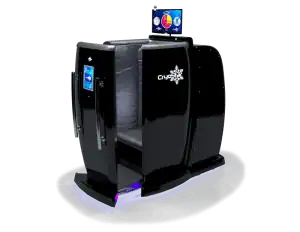
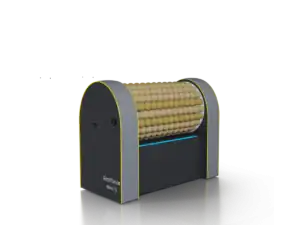
De-Stress Lounge
Passive recovery time that complements active treatment sessions across a patient’s program.
Why This Equipment Fits Rehabilitation Centers
Rehabilitation care depends on consistency across an entire treatment program, not just individual sessions, and equipment introduced into this setting has to support that sustained structure rather than function as an isolated add-on. Everything recommended on this page was selected with that continuity in mind, chosen for reliability across repeated use by the same patients over weeks or months.
Non-invasive modalities such as cryotherapy, PEMF and red light give centers drug-free tools for inflammation and pain management appropriate for patients managing complex recovery needs. Automated lymphatic drainage and infrared equipment reduce the physical demands on rehabilitation staff, who are already managing a full caseload of manual assessment and treatment work.
Because the equipment is built for professional, continuous use, centers can rely on consistent performance across every stage of a structured program without a drop-off in reliability. Beyond the clinical value, this equipment also strengthens a center’s position with referring physicians and prospective patients evaluating rehabilitation options based on the depth of available treatment infrastructure.
Supports Consistency Across Programs
Reliable equipment maintains treatment quality across weeks or months of a structured recovery journey.
Non-Invasive Pain Management
Drug-free modalities support patients managing complex or long-term recovery needs.
Reduces Staff Physical Demands
Automated equipment lightens the manual workload across a full rehabilitation caseload.
Professional-Grade Reliability
Equipment built for repeated daily use across every stage of a structured treatment program.
Strengthens Referral Positioning
A broader treatment infrastructure supports stronger relationships with referring physicians.
Supports a Wider Patient Range
Equipment spans early-stage inflammation control through later-stage mobility and circulation work.
A Complete Project, Not Just Equipment
Introducing new recovery infrastructure into a rehabilitation center involves more than a purchase, and centers that try to manage delivery, installation and staff onboarding alone often face delays before equipment is ready for patient use. Cryonick manages the full project starting with a consultation covering your patient population, treatment programs and available space.
Once equipment is selected, our team coordinates delivery across Germany and Europe on a schedule that fits your center’s operations, followed by professional installation and commissioning carried out by trained technicians on site. Nothing is left for clinical staff to assemble or configure themselves.
Every project includes hands-on training so your team can confidently integrate new equipment into existing treatment programs from day one, along with ongoing technical support, maintenance guidance and spare parts assistance to keep equipment reliable across every patient program. This gives centers a clear, predictable path from consultation to a fully operational recovery infrastructure.
Consultation & Training
Personal project consultation and staff training on the safe, effective use of your equipment.
Step 2Equipment Selection
We help match the right combination of categories and models to your center’s programs and space.
Step 3Europe-Wide Delivery
Safe, coordinated delivery of your Cryonick equipment to your rehabilitation center location.
Step 4Installation & Commissioning
Professional assembly, connection and functional testing before operational handover.
Step 5Technical Support
Fast assistance with technical questions, operation, settings and fault reports.
Step 6Maintenance & Service
Regular maintenance, diagnostics and repair to keep your equipment running reliably long-term.
Frequently Asked Questions
Common questions from rehabilitation centers considering Cryonick equipment.
Is this equipment suitable for patients early in a rehabilitation program?
Yes. Localized cryotherapy and PEMF are commonly used in early-stage recovery, with infrared mobility work introduced as patients progress.
Do staff need special certification to operate this equipment?
No formal certification is required. Cryonick provides on-site training covering safe operation and integration into treatment programs.
How much space does this equipment typically require?
Requirements vary by model. During consultation, we review your treatment spaces and recommend suitable configurations.
Can we start with one or two categories and expand later?
Yes. Many centers begin with cryotherapy and lymphatic support and expand into additional categories over time.
What is the typical delivery and installation timeline?
Timelines depend on the equipment and destination. Your consultation includes a clear delivery and installation schedule.
Is technical support available after installation?
Yes. Cryonick provides ongoing technical support, maintenance guidance and spare parts assistance for the life of your equipment.
Can this equipment be used across multiple patients per day?
Yes. Cryonick equipment is built for continuous professional use across a full daily patient caseload.
Does Cryonick offer a warranty on rehabilitation equipment?
Yes. All equipment includes manufacturer warranty coverage, with dedicated support for warranty processing when needed.
How does this equipment support longer treatment programs?
Reliable, repeatable performance across weeks or months helps maintain consistent recovery support throughout a program.
Can equipment be shared across multiple therapists or treatment rooms?
Yes. Most units are designed to serve multiple patients and therapists throughout the day, and we can help plan shared use.
What ongoing maintenance does this equipment typically require?
Maintenance needs vary by device but generally involve routine checks and occasional servicing, covered by our maintenance service.
Does Cryonick help with treatment room layout and planning?
Yes. Layout and equipment placement are discussed during consultation so equipment fits practically into your programs.
Recovery Technology in Rehabilitation Centers: A Guide for Care Providers
Rehabilitation centers occupy a distinct position within recovery-focused healthcare, working with patients across extended treatment periods that often follow surgery, serious injury or significant illness. For center operators evaluating recovery equipment, the key considerations differ from a general physiotherapy practice: consistency across a sustained program, staff capacity across a full caseload, and equipment that genuinely supports patients at different stages of a longer recovery journey.
Cryotherapy Across Extended Treatment Programs
Whole-body and localized cryotherapy play a particularly important role in rehabilitation settings, where managing systemic and localized inflammation consistently over weeks or months can meaningfully affect a patient’s overall progress. Unlike a single-session wellness application, cryotherapy in a rehabilitation context is typically integrated as a repeated element of a broader, structured treatment plan.
This sustained use makes equipment reliability a particularly important consideration for rehabilitation centers.
Lymphatic Support for Post-Surgical and Trauma Recovery
Lymphatic drainage carries particular clinical relevance in rehabilitation settings, where post-surgical swelling and trauma-related fluid retention are common. Delivering this support manually across a full caseload of patients undergoing similar recovery journeys places significant demand on therapist time.
Automated lymphatic massage equipment allows centers to offer this support consistently across every patient in an active program, rather than only when staff availability allows.
PEMF and Red Light for Complex Pain Management
Patients in rehabilitation programs often manage more complex pain profiles than those seen in general physiotherapy, sometimes involving multiple injury sites or lengthy post-surgical recovery. Non-invasive modalities such as PEMF and red light therapy give centers additional tools for pain management that do not add to a patient’s medication burden.
These treatments also integrate well alongside manual therapy without significantly extending overall session time.
Infrared Mobility Work as a Recovery Milestone
Introducing low-impact infrared mobility equipment often marks an important transition point within a rehabilitation program, bridging the gap between passive recovery methods and more demanding active rehabilitation exercises. For patients progressing through a structured program, this stage represents meaningful movement toward independent mobility.
Centers that offer this equipment can support patients through this transition more gradually and safely than jumping directly into higher-intensity exercise.
Building Equipment Infrastructure Around Program Structure
Rehabilitation centers considering new equipment are generally best served by mapping investment against their actual program structure, rather than adopting equipment used in unrelated settings such as spas or fitness clubs. Centers focused heavily on post-surgical recovery might prioritize cryotherapy and lymphatic support first, while those managing longer-term trauma rehabilitation might place more emphasis on infrared mobility equipment.
This structured approach ensures equipment investment aligns directly with the patient population a center actually serves.
Equipment as Part of a Broader Care Narrative
Rehabilitation centers that integrate equipment successfully tend to present it as part of a coherent, structured care pathway rather than a set of standalone treatments. When referring physicians and patients understand how a center’s technology supports the full arc of a recovery program, from early-stage inflammation control through later mobility work, it strengthens the center’s credibility as a genuinely comprehensive care option.
Let’s Plan Your Rehabilitation Center’s Equipment
Tell us about your center and patient programs. Our specialists will recommend the right equipment combination for your space and budget.